 |
 |
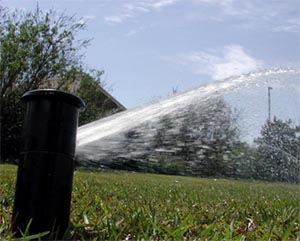
System Turn On
Your system turn on consists of much more than the turn of a handle, or the flick of a switch.
Every system turn on should be performed in the early spring by a trained irrigation technician. Even the simplest problem that goes undetected can affect the performance and efficiency of the system throughout the season. Each system is activated and checked for proper function and necessary repairs. Clocks are set for appropriate watering times and heads are set for proper coverage. If equipped, the rain sensor will also be checked at this time. A fresh battery is also installed to ensure operation in the event of a power outage during the season.
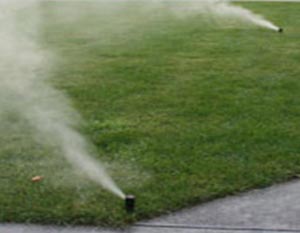 System Monitoring
Its summer now and your irrigation has been activated at this point. Your plants are beginning to grow and block irrigation heads causing puddles and dry spots. In addition, there's more outdoor activity and foot traffic taking place which could accidentally redirect or damage heads. It's important to regularly monitor your system. Even a well managed system can break down from time to time. In addition, as your landscape changes our staff of educated technicians will be able to identify the needs of your plant material and make the necessary adjustments to ensure they are being watered properly. Frequency of monitoring depends on size and complexity of your system. However for best results we recommend once per month during the growing season.
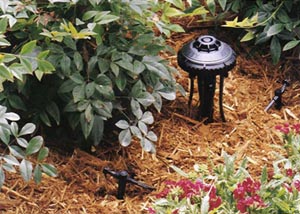 System Winterization
Your irrigation system must be winterized due to seasonal climatic conditions. Not winterizing can cause pipes, valves and heads to freeze and crack leading to extensive costly repair work. Many irrigation systems have accessories attached to the water main such as auto pool fills, outdoor showers, cabanas, water fountains or ponds. The qualified technicians at Blue Tides will ensure all devices have been cleared of excess water and have been treated with antifreeze as needed. We recommend winterizing before the first hard frost.
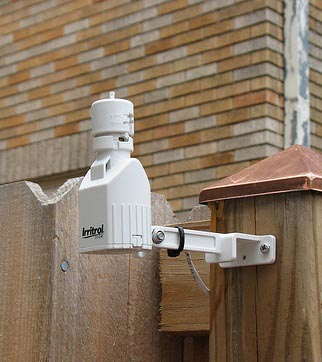 Rain Sensors
Being a good steward to the earth means conserving our resources. Rain Sensors are designed to suspend irrigation during and after a sufficient rainfall. Overwatering leads to Nitrogen fertilizer run off into our waterways which can lead to excessive algae and/or brown tide. This is known to harm plants, fish and animals in our environment. For best results, sensors should be mounted in an area where it can be exposed to sufficient sunlight and precipitation for proper function.
Irrigation Turn On, Monitoring & Winterizations
Irrigation Design, Installation, Water Features, Ponds, Rain Sensors, Drip Irrigation, Hose Spigots
Blue Tides a Full Service Irrigation Company
Phone: 631-287-8688 Fax: 631-369-1177
info@bluetides.net